Looking at Gurnee and wondering what daily life feels like once you look past the headline attractions? That is a smart question if you are thinking about a move, because the places that work best long term are usually the ones that make ordinary days easier. In Gurnee, that often means parks, practical shopping, easy road access, and a community rhythm built around residential neighborhoods and local routines. Let’s take a closer look.
Gurnee feels practical and residential
Gurnee is a village of about 30,500 people spread across 13.5 square miles, with a housing pattern that reads more suburban than urban. Census data shows a 76.1% owner-occupied housing rate, and village planning describes the community as about 60% residential land, 20% commercial, 10% industrial, and 10% parks and open space.
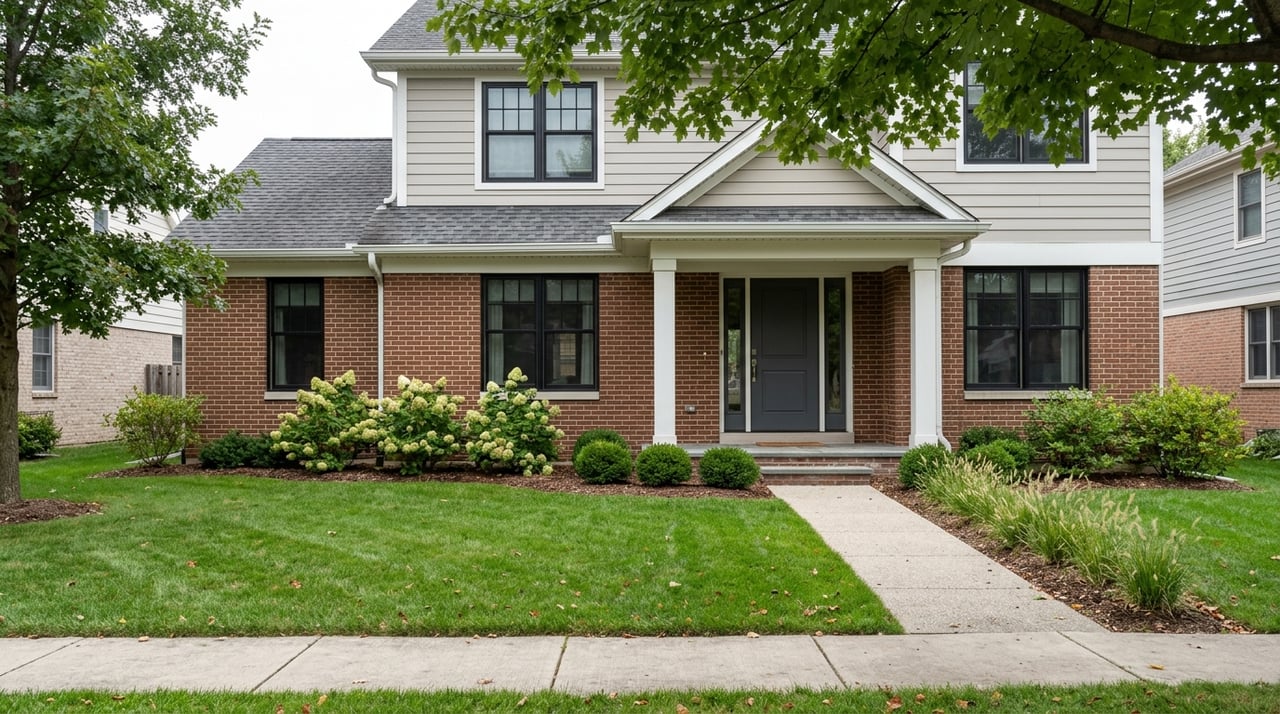
If you are trying to picture the feel of the village, think of a place where homes and daily errands shape the experience more than one central downtown does. You will find a mix of single-family homes, townhomes, and multifamily housing, but detached suburban homes are the baseline across much of Gurnee.
Village Center shapes civic life
One of the more interesting things about Gurnee is that its sense of place comes from a civic hub rather than a classic main street. Village planning identifies a Village Center around O’Plaine Road and Washington Street, where Village Hall, the post office, the library, Warren Township High School, and the police department are grouped together.
That layout gives Gurnee an organized, community-services feel. Instead of one walkable historic core, daily life often revolves around key destinations and familiar routes that connect home, errands, recreation, and work.
East Grand adds everyday convenience
East Grand Avenue plays a different role in local life. The village describes it as a corridor with older strip centers and freestanding businesses, and that helps explain why it functions as more of an errand-and-services area than a polished retail district.
For residents, that can be a real plus. The village’s business listings point to the kind of places that support regular routines, including salons, dental care, laundry, auto repair, home services, gifts, and casual dining.
A few of the listed dining options include Big Norm’s Hot Dogs, Lola’s Tacos and Tequila, Biryani Pointe, Jimano’s Pizzeria, Chick-fil-A, McDonald’s, Wendy’s, and Gelato Mio. In other words, Gurnee offers plenty of practical stops for a quick meal or a run of errands without needing to leave town.
Parks are part of the lifestyle
If you want more than convenience, Gurnee also offers a strong park-district culture. The Gurnee Park District maintains 28 parks and 14 walking trails, which gives residents many ways to get outside close to home.
Its facilities include Hunt Club Park Community Center, Viking Park Community Center, and the Hunt Club Park Aquatic Center. That range of spaces supports everything from workouts and indoor activities to warm-weather recreation.
The programming also says a lot about the village’s day-to-day lifestyle. The park district offers adult fitness, pickleball, tennis, creative arts, dance, and martial arts, so your routine can include much more than just home and work.
Community events help Gurnee connect
Gurnee’s local identity is not only about places. It also shows up in community programming that gives residents recurring ways to connect.
The park district describes GO Gurnee as a local wellness movement built around activities, education, and community collaboration. Its calendar includes options like walking club events and StoryWalks, which adds another layer to everyday life for people looking for simple ways to stay active and involved.
Gurnee Days is another example of that community rhythm. The park district highlights it as a tradition that includes food, live music, a parade, and fireworks, which helps reinforce the sense that Gurnee is more than a stop for visitors.
Shopping goes beyond destination retail
Of course, it is impossible to talk about Gurnee without mentioning Gurnee Mills. But for people who live there, the mall is not just a regional attraction. It is also a practical local shopping anchor.
According to Simon, Gurnee Mills includes nearly 200 stores along with dining and entertainment options. Enjoy Illinois notes more than 200 stores as well, which supports the idea that residents have a major shopping hub built into their own village.
That matters in everyday life. Whether you need basics, gifts, dining options, or a few errands in one trip, having that kind of retail concentration nearby can make your week feel easier.
Getting around is mostly car-based
If you are considering a move to Gurnee, it is important to understand how the village works from a transportation standpoint. Gurnee is strongly road-connected and built around the car.
The village notes that it sits right off I-94 between Milwaukee and Chicago. Local planning documents also describe the community as auto-oriented because public transit is limited, with 88% of residents commuting alone by car.
Key roadways include US-41, Route 21, Route 120, and Route 132. In practical terms, that means your day-to-day experience will likely be shaped by driving between activity hubs rather than walking from one central district to another.
Public transit exists, but as a connector
Transit is available in Gurnee, but it is more of a supporting option than the center of daily mobility. Pace Route 565 serves the Grand Avenue and Gurnee Mills corridor and provides daily service from the Waukegan Metra Station to the College of Lake County in Grayslake.
Route 562 serves Waukegan and Gurnee Industrial Park. At the same time, Gurnee does not have its own Metra station, so rail access usually starts with a drive or bus connection to another community.
For some buyers, that setup works well. For others, it is a reminder that lifestyle fit in Gurnee often comes down to being comfortable with a car-oriented routine.
Housing options fit different stages
From a housing perspective, Gurnee offers a mix that can fit different life stages and priorities. Village planning identifies single-family homes as the dominant pattern, with townhomes and multifamily housing also present, especially near the village center and commercial corridors.
That mix can be helpful if you want options without leaving the village altogether. Some buyers may be looking for a detached home with a more traditional suburban feel, while others may prefer an attached-home setup with a different maintenance profile or price point.
The bigger picture is that Gurnee’s housing stock supports everyday suburban living. It is not trying to be dense, urban, or centered around one downtown district. Instead, it offers a more spread-out, practical layout shaped by neighborhoods, road access, and nearby amenities.
What life in Gurnee really feels like
So what is life in Gurnee beyond the big attractions? It feels grounded in routine, convenience, and access.
You have a civic center that gives the village structure, a broad park system that supports active living, shopping that covers both daily needs and bigger retail trips, and a road network that connects you to the rest of Lake County and beyond. It is a place where ordinary life is often built around parks, community programs, errands, and home.
If that kind of suburban setup sounds like a fit, the next step is looking at which part of Gurnee best matches your routine, housing goals, and commute needs. If you are considering a move in Lake County and want clear, local guidance, Ursula Bowes can help you think through the options with a calm, strategic plan.
FAQs
What is everyday life like in Gurnee, Illinois?
- Everyday life in Gurnee is shaped by suburban neighborhoods, car-based convenience, local parks, community programs, and practical shopping and dining areas rather than one traditional downtown.
Does Gurnee, Illinois have a downtown?
- Gurnee has a Village Center civic hub around O’Plaine Road and Washington Street, but it is not defined by a classic historic downtown main street.
What parks and recreation options are in Gurnee, Illinois?
- The Gurnee Park District maintains 28 parks and 14 walking trails and operates facilities such as Hunt Club Park Community Center, Viking Park Community Center, and the Hunt Club Park Aquatic Center.
Is Gurnee, Illinois good for errands and shopping?
- Gurnee offers strong everyday convenience through Gurnee Mills and the East Grand Avenue corridor, where you will find shopping, dining, and a range of personal and home services.
Do you need a car to live in Gurnee, Illinois?
- In most cases, yes. Gurnee is largely auto-oriented, and while Pace bus routes serve parts of the village, there is no Metra station in Gurnee itself.
What kinds of homes are common in Gurnee, Illinois?
- Gurnee is predominantly made up of single-family homes, with townhome and multifamily options also available in some parts of the village.